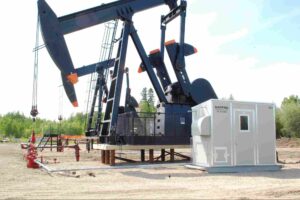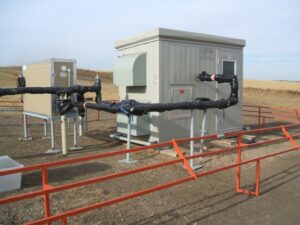
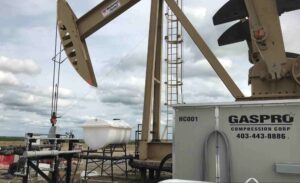
Industrial natural gas compressor unit operating beside an oil pumpjack at an energy production site, illustrating common types of natural gas compressors used in oil and gas operations.

The Types of Natural Gas Compressors and When to Use Each One

Understanding the types of natural gas compressors is essential for operators, engineers, and production teams evaluating compression equipment for Alberta oil and gas operations. Each compressor type performs differently depending on gas composition, flow rate, pressure requirements, site access, and long term production goals. Choosing the wrong compressor can increase

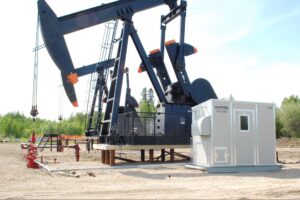
Oil pumpjack operating at a well site with surface equipment and control unit, representing oil well production optimization to improve output and efficiency.

Oil Well Production Optimization: The Role of Compression in Maximizing Output

Oil well production optimization is a continuous priority for operators across Alberta’s oil and gas sector. As reservoir pressure declines and flow conditions change, maintaining output requires more than routine maintenance. A structured approach to oil well optimization must include properly engineered compression systems that manage pressure and stabilize production.

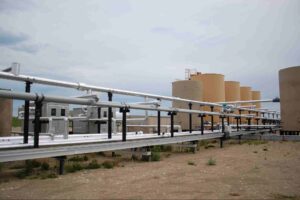
Natural gas compressor station with pipelines and control units in a rural field, showing how natural gas compressors work to pressurize gas for pipeline transport.

How Natural Gas Compressors Work: A Clear Guide for Operators

Understanding how natural gas compressors work is essential for operators, engineers, and production teams across Alberta’s oil and gas sector. Compression is the foundation of reliable gas movement, regulatory compliance, and long-term production efficiency. At its core, compression increases gas pressure so it can continue flowing when reservoir energy declines.

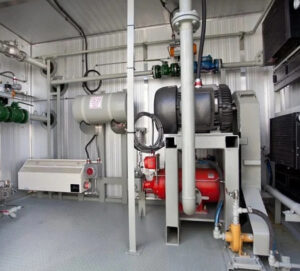
Remote monitoring of compressor operations in the oil and gas industry improves safety and supports environmental compliance.

The Benefits of Remote Monitoring for Compressor Operations in the Oil & Gas Industry

Oil and gas facilities depend on consistent compression performance to maintain production, protect equipment, and meet regulatory requirements. As sites become more remote and operational demands increase, remote monitoring technology has become one of the most valuable tools for ensuring reliability and efficiency. Modern systems allow operators to track compressor

Modular Skid Systems help ensure safety, compliance, and quality assurance in operations.

Understanding the Value of Modular Skid Systems for Customizable Compressor Solutions

In Alberta’s oil and gas operations, efficiency, mobility, and adaptability are critical. Production sites can vary widely in gas composition, flow rate, and environmental conditions, making flexibility in compression design essential. This is where modular skid systems deliver significant value. A modular skid system provides a compact, pre-assembled compressor package

Smart compressor technology represents an important innovation in the field of artificial intelligence for compression management.

Innovations in Compressor Technology: What’s Next for the Oil and Gas Sector?

The oil and gas industry is under increasing pressure to improve efficiency, reduce environmental impact, and maintain operational reliability. Compressor systems, critical to production, processing, and transportation, are evolving rapidly to meet these demands. New developments in smart compressor technology, IoT-enabled compressors, AI-based compressor controls, and high-pressure compressor innovations are

Industrial natural gas compressor unit operating beside an oil pumpjack at an energy production site, illustrating common types of natural gas compressors used in oil and gas operations.

The Types of Natural Gas Compressors and When to Use Each One

Understanding the types of natural gas compressors is essential for operators, engineers, and production teams evaluating compression equipment for Alberta oil and gas operations. Each compressor type performs differently depending on gas composition, flow rate, pressure requirements, site access, and long term production goals. Choosing the wrong compressor can increase

Oil pumpjack operating at a well site with surface equipment and control unit, representing oil well production optimization to improve output and efficiency.

Oil Well Production Optimization: The Role of Compression in Maximizing Output

Oil well production optimization is a continuous priority for operators across Alberta’s oil and gas sector. As reservoir pressure declines and flow conditions change, maintaining output requires more than routine maintenance. A structured approach to oil well optimization must include properly engineered compression systems that manage pressure and stabilize production.

Natural gas compressor station with pipelines and control units in a rural field, showing how natural gas compressors work to pressurize gas for pipeline transport.

How Natural Gas Compressors Work: A Clear Guide for Operators

Understanding how natural gas compressors work is essential for operators, engineers, and production teams across Alberta’s oil and gas sector. Compression is the foundation of reliable gas movement, regulatory compliance, and long-term production efficiency. At its core, compression increases gas pressure so it can continue flowing when reservoir energy declines.

Remote monitoring of compressor operations in the oil and gas industry improves safety and supports environmental compliance.

The Benefits of Remote Monitoring for Compressor Operations in the Oil & Gas Industry

Oil and gas facilities depend on consistent compression performance to maintain production, protect equipment, and meet regulatory requirements. As sites become more remote and operational demands increase, remote monitoring technology has become one of the most valuable tools for ensuring reliability and efficiency. Modern systems allow operators to track compressor

Modular Skid Systems help ensure safety, compliance, and quality assurance in operations.

Understanding the Value of Modular Skid Systems for Customizable Compressor Solutions

In Alberta’s oil and gas operations, efficiency, mobility, and adaptability are critical. Production sites can vary widely in gas composition, flow rate, and environmental conditions, making flexibility in compression design essential. This is where modular skid systems deliver significant value. A modular skid system provides a compact, pre-assembled compressor package

Smart compressor technology represents an important innovation in the field of artificial intelligence for compression management.

Innovations in Compressor Technology: What’s Next for the Oil and Gas Sector?

The oil and gas industry is under increasing pressure to improve efficiency, reduce environmental impact, and maintain operational reliability. Compressor systems, critical to production, processing, and transportation, are evolving rapidly to meet these demands. New developments in smart compressor technology, IoT-enabled compressors, AI-based compressor controls, and high-pressure compressor innovations are